Followers

Monday, 10 August 2020

How To Find Your Signature Style

 HOW TO FIND YOUR SIGNATURE STYLE!


1. ANALYSE YOUR EXISTING WARDROBE

A successful signature style is one you will love for years and years and so your focus should be on wearing the things you truly adore. First of all take a look at your existing wardrobe and think ‘do these pieces represent who I am’. If there is a piece or two within your wardrobe that you haven’t worn for a good couple of months or something that doesn’t fit in with the overall vibe, take it away.For me, it's black denim jeans with boots or sneakers with a simple T's and jackets .Look at what is left and think about what pieces you are drawn to the most and what you enjoy wearing, chances are these are the building blocks that represent the personal style that you already love and have in your wardrobePut these pieces to the side and you will slowly start to build a picture of what personal style you already have represented in your wardrobe.

2.LABEL IT

When taking an afternoon to really go through the pieces you already have in your wardrobe, try to pick a few words that describe your chosen key pieces that you utterly adore and enjoy wearing. Are they casual and comfortable, timeless and masculine or bold and contemporary? Settle on a handful of words that feels true to you; You will most likely notice a lot of similarities which 100% tells you that you’ve found and clarified your style. Write these words down and have them at the front of your mind whenever shopping for new pieces.

3. SEEK INSPIRATION

Having one or a few personal style icons is useful when it comes to finding your own personal style. Perhaps you like certain bits from three different bloggers or celebrities and you can put these together to create your own; pulling different types of inspiration from several sources is a great way to figure out what you like and dislike. Spend time browsing instagram or Pinterest, type those key words you settled on that best describes the style you love into the platforms to find an array of outfit inspiration. When you find people who portray a signature style or something similar to what you want to portray, it is really helpful to keep them in the back of your mind when out shopping or when you are having a wardrobe clear out. 

4. RECOGNISE WHAT YOU DON’T LIKE

So you’ve looked through your wardrobe, you’ve chosen the pieces you love, you’ve decided on a few key words that sum up the style you love but what about those pieces that don’t make you feel good. Just because every celebrity is wearing red doesn’t mean you have too, or if you favourite blogger who you usually love is wearing something you aren’t sure about, it doesn’t mean you have to wear it too. Having a strong personal style means you are confident that you will be able to find something you love every day, so there’s no point in holding onto things you loved while they were on trend, but haven worn since – be brutal! Sell, donate or throw out any worn out styles, or garments that just don’t represent your personal style



Thursday, 6 August 2020

Entrepreneurs need to be ready to pitch any time, anywhere.

Entrepreneurs need to be ready to pitch any time, anywhere.

Five Tips for young entrepreneur:

1. Present a clear case of the problem and the solution. This is the most important part of the pitch.  If the audience does not believe there is a problem, or fails to understand your solution, then nothing else you present beyond that will matter.

2. Present with passion.  Don’t just run through the entire pitch in a monotone voice with no excitement.   If do not sound excited about your venture, your audience won’t be excited about it either.

3. Work on your delivery. Learn how to use your voice to help emphasize key points.  Slow down and emphasize your most important points so the audience knows that is what is important.  Make it seem as if you are talking to each person in the room by using eye contact.

4. Know the audience.  Each pitch should be tailored to whom you are presenting to.  If it is a business plan competition, tailor your pitch specifically to the judging criteria. If it is an investor pitch, talk about the issues important to investors and be clear about the return they might gain from investing in your business.  If it is a sales pitch, tailor it to the value proposition you offer to the customer.  “There is no one size fits all pitch presentation” 

5. Practice, Practice, Practice.  The more times you can run through your pitch, the more effective you become. “Try it in front of your mom, dad, sister, neighbor, dog, or whoever will give you the time of day,” recommends Jorgovan.

You never know when you might run across a potential investor or customer.  So you always need to be prepared to give a clear and concise pitch of your business.

Friday, 7 February 2020

ETHICS IN THE COSMETICS INDUSTRY

ETHICS IN THE COSMETICS INDUSTRY


Image result for ethics in the cosmetic industry

Ethics are considered very important to the cosmetics industry for it comes under closer scrutiny then other industries. Cosmetic products have traditionally been perceived as ‘vanity’ products; they can be considered non-essentials mainly bought by people to improve their appearance. The industry and its business practices are therefore much more scrutinized then other related industries, such as foods, pharmaceuticals, home cleaning products and so on.

Image result for ethics in the cosmetic industry

The cosmetics industry is often targeted by the media and NGOs because of the use of animal-testing methods. Cosmetic companies have historically tested ingredients, as well as finished products, on animals (typically rabbits and mice) to check safety levels. Although there is a move to phase out animal testing in the industry, it is likely to be many years (if not decades) before a global ban is introduced and then enforced. Israel introduced its ban in January 2013, the EU ban is scheduled for March 2013, whilst other countries have yet to introduce regulations to ban such methods.


Image result for ethics in the cosmetic industry

Consumers place great emphasis on buying cosmetics with a conscience. A survey by the American online retailer Vitacost. com in October 2012 found that 75% of women prefer to purchase cosmetic products with a ‘cruelty-free’ logo over products without. Since cosmetics are made up of chemicals, the industry is closely linked to the chemical industry. Indeed, many of the largest chemical companies in the world supply specialty chemicals to the cosmetics industry. Some of the unethical business practices of the chemical industry, like environmental pollution, also become associated with the cosmetics industry.

Image result for ethics in the cosmetic industry destruction of rainforest

Cosmetic companies are also coming under the microscope for natural ingredient sourcing. The industry is one of the largest users of palm oil, a vegetable oil that is predominantly grown in Indonesia and Malaysia. Unethical sourcing of palm oil has been responsible for the destruction of tropical rainforests, threatening the habitat of endangered orang-utans. The environmental damage caused by cosmetic finished products is also coming under the spotlight. A number of studies have reported on the adverse effects of cosmetic ingredients on the environment. 

The safety of cosmetic ingredients is also the subject of much attention.

To conclude the cosmetics industry gets more then its fair share of scrutiny because of the perceived nature of cosmetic products. Apart from the ethical issues surrounding animal testing, the industry is often criticised for its selection and use of raw materials, environmental impacts and safety issues of finished products.

Sunday, 26 January 2020

Ethical Issues in the Fashion Business

Ethical Issues in the Fashion Business

The fashion industry has complex connections to many other fields, including manufacturing, advertising, production of raw materials, transportation and retailing. The tremendous profits that stand to be made in the fashion industry create the temptation to engage in unethical behavior. When producers, manufacturers, models or consumers are being exploited or treated unfairly, fashion executives have an ethical responsibility to change the situation.

Body Image Issues

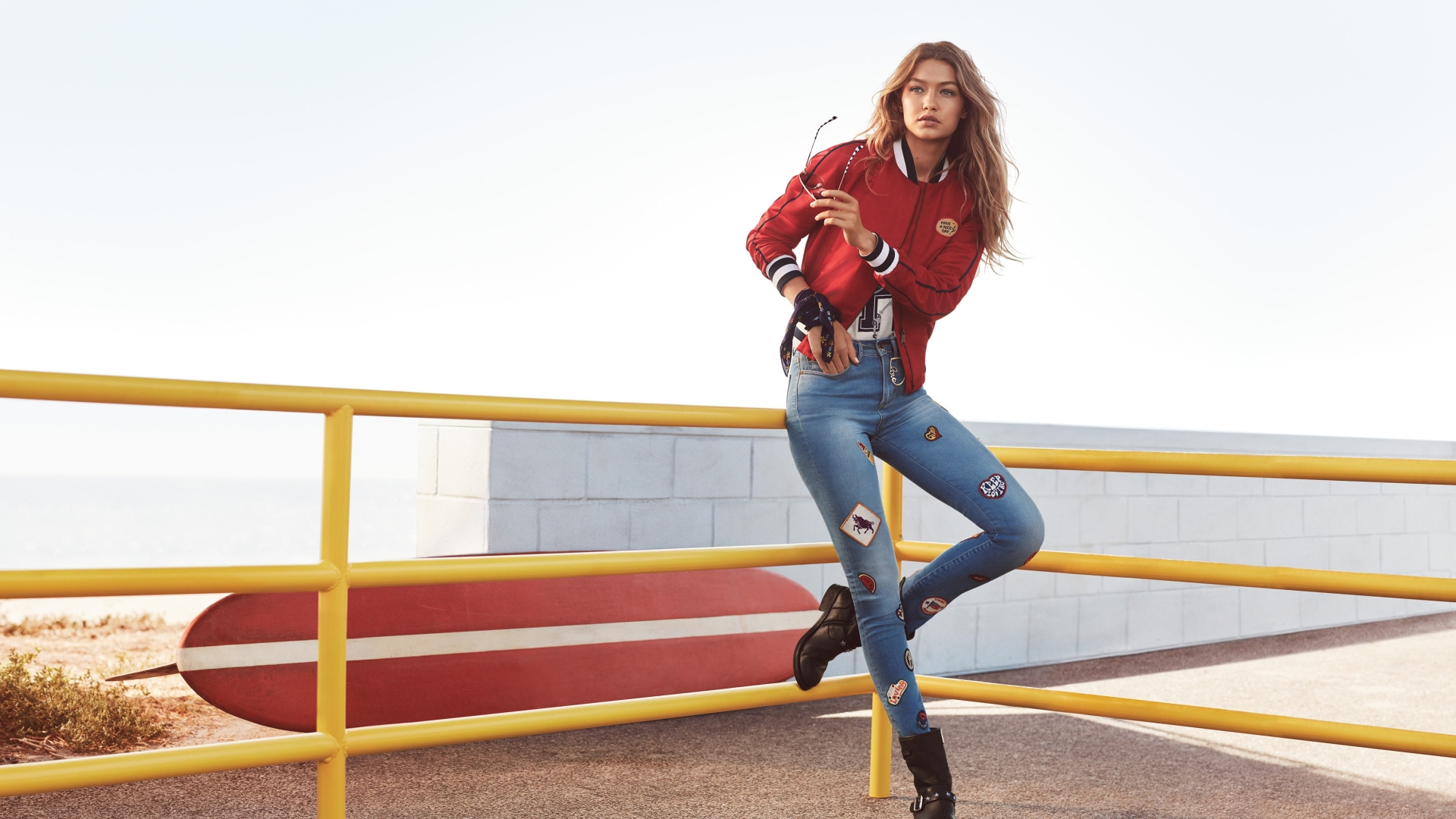
Virtually all of the models who represent fashion houses are abnormally thin, in keeping with the perceived aesthetic preferences of the public. This focus on extreme thinness in women has been blamed for eating disorders and poor body image among some women whose bodies don't conform to this idealized image.

Image result for gigi hadid hd wallpaper

Problems with the fur trade

Fashions that use real animal fur support the fur industry, which is infamous for its inhumane treatment of animals. Fur is acquired either by trapping wild animals and skinning them or by raising animals domestically for their fur.
Image result for fur industry

Cultural Influence and Appropriation

In their ongoing search for new, different and exciting looks, fashion designers sometimes borrow elements of foreign cultures. Some indigenous members of these cultures don't appreciate this practice, and accuse designers of cultural appropriation.

Consumer Over Consumption


Bringing out a new line of clothing every year encourages fashion enthusiasts to buy new clothes that they don't really need. While some people see this as harmless or as a boon to the economy, others believe that it encourages mindless consumerism.


Environmental Impacts and Concerns


The materials, transportation and production that are involved in the fashion industry all have an impact on the environment. Many synthetic materials are derived from petroleum, while many more natural materials are grown on land that could be used for food production. 

Issues Caused by Advertising

According to critics, advertising seduces people into buying things that they don't need, rather than merely informing them of a product's availability. Advertising and fashion are closely related, and they both encourage people to consume as much as possible. New fashions are widely advertised as better than whatever came before.
Image result for influencer advertising

Brand Name Forgery

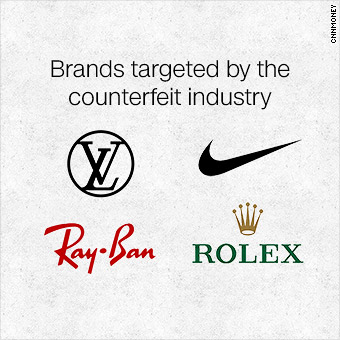
The main appeal of many fashionable accessories is the brand name. A Gucci bag can be sold for many times more than an identical bag made by a competitor. Forgers take advantage of this fact by creating cheap knock-offs and illegally adding the names of famous and expensive fashion houses.
Image result for brand name forgery

Sweat Shop Labor Practices

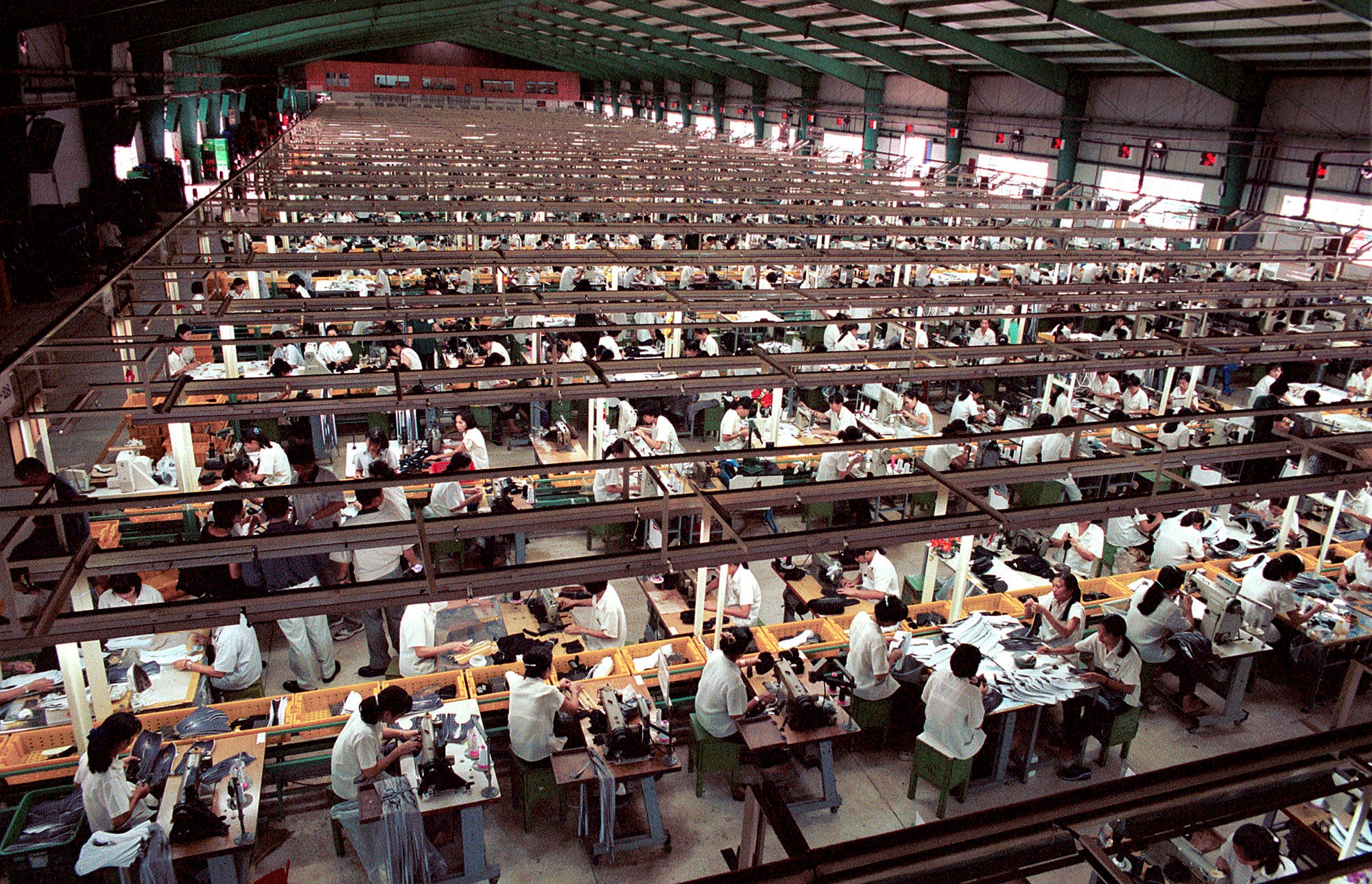
Many fashionable clothes are manufactured by poorly paid people in developing countries. This practice, known as sweatshop labor, has come under major scrutiny and has been condemned by a wide range of critics. Particularly concerning is the employment of young children.
Image result for sweat shops labour practice

Exclusivity and Inequality Issues

A large part of the appeal of expensive, fashionable clothing is that it's exclusive. The vast majority of people can't afford to buy it, so it grants a level of status and glamour to those who can.
Image result for actress gucci

Blood Diamonds and Related Problems

Upper end fashions sometimes use diamonds. "Blood diamonds" are mined under poor conditions, sometimes by violent groups that use the income from the diamonds to fund their activities. Some fashion houses are taking steps to ensure that none of their diamonds come from these sources.
Image result for blood diamond mining